clear liquid diet pdf
- Published
- in PDF
Clear Liquid Diet: A Comprehensive Guide (Updated December 16, 2025)
A clear liquid diet focuses on easily digestible fluids, avoiding solid residue. It provides hydration and some calories, but is not a long-term nutritional solution.
What is a Clear Liquid Diet?
A clear liquid diet is a short-term eating plan consisting solely of foods and beverages that are transparent or leave no residue after digestion. This means everything you consume should be easily digestible and not contain any solid particles. The primary goal is to provide basic hydration, electrolytes, and a minimal amount of calories without stressing the digestive system.
Permitted liquids include water (plain, carbonated, or flavored), fruit juices without pulp – like apple or white grape juice – clear broth or soup, plain gelatin, tea, and black coffee. It’s crucial to emphasize “clear”; anything opaque or containing fiber is prohibited. This diet doesn’t aim for complete nutrition, but rather to rest the bowel and prepare the body for medical procedures or aid recovery.
Healthcare professionals often prescribe this diet before colonoscopies, endoscopies, or certain surgeries. It ensures the digestive tract is empty, allowing for clearer visualization during procedures and reducing the risk of complications. However, it’s vital to remember that a clear liquid diet is not intended for prolonged use due to its limited nutritional value.
Purpose of a Clear Liquid Diet
The core purpose of a clear liquid diet is to provide easily digestible nourishment while minimizing digestive workload. Clinicians frequently utilize this dietary approach to prepare patients for diagnostic procedures like colonoscopies and endoscopies, ensuring a clear view of the gastrointestinal tract. It effectively empties the bowel, reducing the risk of interference during examination.
Beyond preparation, a clear liquid diet serves a therapeutic role in managing certain gastrointestinal conditions; It allows the bowel to rest and recover from inflammation or irritation, offering relief from symptoms like nausea, vomiting, or diarrhea. This is particularly useful post-surgery, easing the transition back to solid foods.
However, it’s crucial to understand this diet isn’t a long-term solution. Its primary function is temporary – to facilitate medical interventions or provide short-term digestive relief. It delivers fluids, some electrolytes, and minimal calories, but lacks essential nutrients for sustained health. Patient understanding and compliance are key to its effectiveness.
Medical Reasons for Following a Clear Liquid Diet
Numerous medical scenarios necessitate a clear liquid diet. Primarily, it’s prescribed in preparation for gastrointestinal procedures like colonoscopies, upper endoscopies, and certain radiological exams. A completely clear bowel is vital for accurate visualization during these tests, and the diet ensures minimal residual material.
Furthermore, it’s frequently recommended following gastrointestinal surgery. This allows the digestive system to heal without the stress of processing solid foods. Conditions causing bowel obstruction, severe diarrhea, or vomiting also benefit from the reduced digestive burden a clear liquid diet provides.
Patients experiencing acute gastrointestinal illnesses, such as gastroenteritis, may be advised to follow this diet temporarily to prevent dehydration and allow the gut to recover. It’s also sometimes used pre-operatively to empty the stomach and intestines, minimizing surgical risks. However, doctors often find patients struggle with adherence, preferring simpler guidelines.
Duration of a Clear Liquid Diet
The duration of a clear liquid diet is typically short-term, rarely exceeding a few days. Prolonged adherence can lead to significant nutritional deficiencies, as it lacks essential proteins, fats, fiber, and vitamins. Generally, it’s followed for 1-2 days before a medical procedure, and potentially for a brief period post-operatively, as determined by a physician.
Healthcare providers carefully monitor patients on this diet. The exact length depends on the reason for its implementation and the individual’s overall health status. For bowel preparation, the diet is usually discontinued 24 hours before the procedure. Post-surgery, progression to a full liquid diet, and then solid foods, is gradual.
It’s crucial to strictly adhere to the prescribed timeframe. While seemingly restrictive, the short duration minimizes risks associated with inadequate nutrition. Any extension beyond the recommended period requires explicit medical guidance to prevent complications and ensure appropriate nutritional support.

Permitted Clear Liquids
Acceptable options include water, pulp-free juices (apple, grape), clear broth, plain tea, black coffee, and gelatin. These fluids are easily digested and leave no residue.
Water: The Foundation
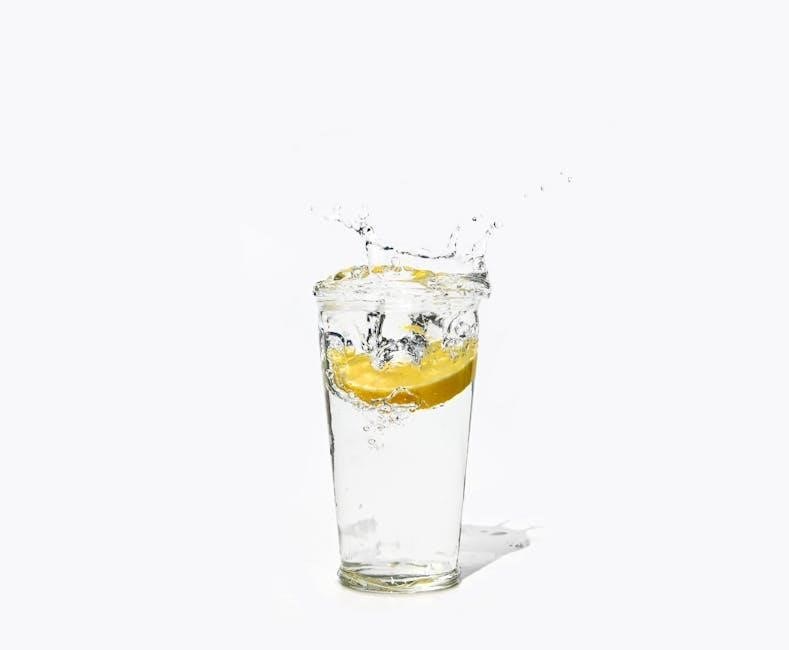
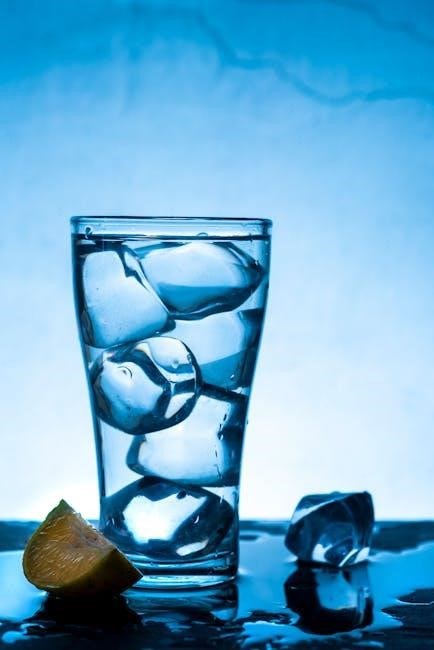
Water is paramount on a clear liquid diet, serving as the primary source of hydration. It’s essential for maintaining fluid balance, supporting bodily functions, and preventing dehydration, especially when solid food intake is restricted. Plain water, whether still or carbonated, is always permitted and encouraged throughout the diet’s duration.
Adequate water intake aids in flushing out the system and preparing the digestive tract for any subsequent medical procedures, like colonoscopies. Flavoring water with a small amount of lemon juice is generally acceptable, but avoid adding pulp or sweeteners. Staying well-hydrated can also help mitigate some of the discomforts associated with being on a restrictive diet, such as headaches or fatigue.
Aim for consistent sipping throughout the day rather than consuming large amounts at once. This promotes better absorption and prevents feelings of bloating or nausea. Remember, water isn’t just a permitted liquid; it’s the cornerstone of a successful and comfortable clear liquid diet experience, vital for overall well-being during this temporary dietary adjustment.
Fruit Juices (Pulp-Free)
Fruit juices, when completely devoid of pulp, are permissible components of a clear liquid diet, offering a source of simple carbohydrates and some essential vitamins. Acceptable options include apple juice, white grape juice, and cranberry juice – crucially, these must be filtered to remove all solid particles. Lemonade, also pulp-free, can provide a refreshing change, but be mindful of added sugars.
The absence of pulp is non-negotiable, as any solid residue could interfere with bowel preparation for medical procedures or exacerbate gastrointestinal distress. While juices contribute to fluid intake and caloric consumption, they shouldn’t be considered a substantial source of nutrition; They are intended as a temporary supplement, not a replacement for a balanced diet.
Portion control is important; excessive juice consumption can lead to elevated blood sugar levels. Diluting juice with water can further reduce sugar intake and enhance hydration. Always check labels to confirm the juice is 100% juice and doesn’t contain added fiber or fruit pieces. Remember, clarity is key – if you can see any sediment, it’s not a suitable choice.
Clear Broth & Soups
Clear broths and soups represent a valuable source of fluids and electrolytes within the confines of a clear liquid diet. These options provide a savory alternative to sweeter beverages, potentially improving palatability and encouraging adequate hydration. Acceptable choices include bouillon, consommé, and clear vegetable or chicken broth – all meticulously strained to eliminate any solid particles.
Crucially, the broth must be clear; any visible pieces of vegetables, meat, or noodles disqualify it. Fat content should also be minimal, as excessive fat can hinder digestion and potentially cause discomfort. Avoid cream-based soups or those containing barley, rice, or pasta. The goal is a liquid that leaves no undigested residue in the intestinal tract.
Homemade broths allow for greater control over ingredients, ensuring adherence to the diet’s restrictions; Commercially prepared broths should be carefully reviewed for hidden solids or additives. While broths offer some sodium, they are not nutritionally complete and should be supplemented with other permitted clear liquids to meet daily fluid needs.
Tea & Coffee (Plain)
Plain tea and coffee can be incorporated into a clear liquid diet, offering a familiar and potentially comforting beverage option. However, strict adherence to the “plain” designation is paramount. This means absolutely no milk, cream, non-dairy creamers, or sugar substitutes are permitted. Black coffee and unsweetened tea – herbal, black, or green – are the only acceptable forms.
The caffeine content in these beverages should be considered, particularly for individuals sensitive to its effects. While moderate caffeine intake is generally permissible, excessive consumption could lead to dehydration or exacerbate underlying medical conditions. It’s advisable to monitor individual tolerance and adjust intake accordingly.
Avoid flavored coffees or teas, as these often contain additives that violate the clear liquid diet’s restrictions. Similarly, iced tea or coffee should be consumed without any added ingredients. The primary purpose of including these beverages is to contribute to overall fluid intake, not to provide significant nutritional value. Remember, this diet is temporary and focused on easily digestible liquids.
Gelatin (Plain)
Plain gelatin, often recognized as Jell-O, is a frequently permitted component of a clear liquid diet, offering a small source of calories and a change in texture from solely consuming fluids. However, crucial stipulations apply. Only unflavored gelatin is acceptable; all fruit-flavored or colored varieties are strictly prohibited due to the presence of dyes and potentially insoluble components.
Gelatin provides minimal nutritional value beyond a modest caloric intake and some protein, but it can be helpful in maintaining patient comfort and encouraging fluid consumption. It’s important to verify the ingredient list carefully, ensuring no added fruit pulp, sweeteners beyond basic sugar (if allowed by the prescribing physician), or other prohibited substances are present.
Avoid sugar-free gelatin options as some artificial sweeteners may not be well-tolerated during this restrictive dietary phase. While gelatin can contribute to satiety, it should not be considered a substitute for essential nutrients. Its primary role is to provide a palatable and easily digestible liquid option within the diet’s limitations.
Foods to Avoid on a Clear Liquid Diet
Strictly avoid solid foods, dairy products, and any juice containing pulp. Limit carbonated beverages beyond plain options; this diet requires complete digestive tract rest.
Solid Foods – Absolutely No
The cornerstone of a clear liquid diet is the complete exclusion of solid foods. This isn’t merely a reduction; it’s a total avoidance. Any food that isn’t liquid at room temperature is strictly prohibited. This includes, but isn’t limited to, meats, poultry, fish, and all types of vegetables and fruits – even those that are typically considered easily digestible.
Think about the purpose of this diet: to rest the digestive system. Solid foods require significant effort to break down, process, and move through the intestines. Introducing them would defeat the entire objective, potentially exacerbating the condition the diet is intended to address or hindering preparation for a medical procedure.
This extends to seemingly innocuous items like nuts, seeds, bread, crackers, and even soft foods like yogurt or pudding. The absence of fiber and undigested material is crucial. Patient understanding is key; many struggle with this restriction, highlighting the need for clear, concise instructions from healthcare providers. Doctors have noted that patients often inadvertently consume prohibited items, emphasizing the importance of detailed guidance.
Dairy Products – Strictly Prohibited
Dairy products are unequivocally excluded from a clear liquid diet. This encompasses all forms – milk, cheese, yogurt, ice cream, butter, and any foods containing dairy as an ingredient. The reason for this strict prohibition lies in dairy’s composition and its impact on the digestive system.
Dairy contains lactose, a sugar that many individuals have difficulty digesting, leading to bloating, gas, and discomfort. More importantly, dairy contains fat and protein, requiring substantial digestive effort. A clear liquid diet aims to minimize digestive workload, and dairy directly contradicts this goal.
Even seemingly small amounts of dairy can introduce residue into the intestinal tract, compromising the diet’s effectiveness, particularly when preparing for procedures like colonoscopies. Healthcare professionals emphasize the importance of reading food labels carefully, as dairy can be a hidden ingredient in unexpected products. Patient compliance is often a challenge, requiring clear communication about the necessity of complete dairy avoidance.
Juices with Pulp – Avoid These
Juices containing pulp are strictly prohibited on a clear liquid diet. While fruit juice itself can be permissible, it must be entirely pulp-free. This restriction is crucial because pulp constitutes solid particles that leave residue in the digestive tract, defeating the diet’s primary purpose – to clear the bowel for medical procedures or to rest the gut.
Examples of juices to avoid include orange juice with pulp, grapefruit juice with pulp, and tomato juice. Even seemingly small amounts of pulp can interfere with visualization during endoscopic examinations or hinder the healing process in gastrointestinal conditions. Opt for completely clarified juices like apple juice or white grape juice.
Careful label reading is essential, as some juices may deceptively claim to be “100% juice” while still containing pulp. Healthcare providers stress the importance of adhering strictly to the guidelines, as even minor deviations can compromise the diet’s effectiveness. Patient understanding and compliance are key to successful outcomes.
Carbonated Beverages (Beyond Plain) – Limited
Carbonated beverages on a clear liquid diet require careful consideration; plain carbonation is generally acceptable, but flavored or sweetened options are often limited or discouraged. While the bubbles themselves don’t violate the “clear” aspect, added ingredients can introduce elements that conflict with the diet’s restrictions.
Plain carbonated water or seltzer is usually permitted as it provides hydration without solid residue or added sugars. However, sodas, even clear ones like ginger ale, frequently contain sugars, artificial sweeteners, and coloring agents that may stimulate the digestive system or leave residue. Lemonade, even if pulp-free, often falls into this restricted category due to added sugar.
Healthcare professionals emphasize that the goal is to minimize gastrointestinal stimulation. Therefore, if carbonated beverages are allowed at all, they should be consumed in moderation and without added flavors or sweeteners. Strict adherence to the prescribed guidelines is vital for optimal preparation for procedures or effective management of gastrointestinal conditions.
Potential Challenges & Considerations
Clear liquid diets can present challenges like nutritional deficiencies and require strong patient understanding. Compliance is key, as is differentiating it from similar diets.
Nutritional Deficiencies
A clear liquid diet, while medically necessary in specific situations, is inherently limited in essential nutrients. Because it excludes solid foods, it drastically reduces the intake of protein, fats, fiber, vitamins, and minerals; This nutritional inadequacy is a significant concern, particularly with prolonged adherence to the diet.
The absence of protein can lead to muscle loss and impaired healing, crucial factors for patients preparing for or recovering from surgery. Similarly, the lack of fats hinders the absorption of fat-soluble vitamins (A, D, E, and K) and provides minimal energy. Fiber’s absence impacts digestive health and can contribute to constipation.
Furthermore, the diet often lacks sufficient quantities of vital micronutrients like iron, calcium, and B vitamins. These deficiencies can manifest as fatigue, weakness, and compromised immune function. Therefore, a clear liquid diet is explicitly not intended for long-term use and should be supplemented with appropriate nutritional support when medically feasible, or transitioned away from as quickly as possible.
Patient Compliance & Understanding
Successful implementation of a clear liquid diet hinges critically on patient comprehension and adherence to the strict guidelines. Many individuals struggle with fully grasping the limitations, often inadvertently consuming prohibited items. This is a frequently cited challenge among healthcare professionals, with some noting that patients find the restrictions more difficult than other dietary modifications.
Misunderstandings commonly arise regarding what constitutes a “clear” liquid. Patients may mistakenly believe that juices with pulp, milk-based drinks, or thickened beverages are permissible. Clear communication from medical staff, coupled with detailed written instructions – ideally a clear liquid diet PDF – is paramount.
Furthermore, the restrictive nature of the diet can lead to frustration and non-compliance. Addressing patient concerns, explaining the rationale behind the diet, and offering support can significantly improve adherence. Some physicians have reverted to less restrictive diets due to consistent patient difficulties in following the clear liquid protocol, highlighting the importance of realistic expectations and thorough education.
Comparison to Other Diets (Low-Residue, Full Liquid)
Therapeutic diets are frequently prescribed for various medical needs, with clear liquid diets being one option among others like low-residue and full liquid diets. Understanding the distinctions is crucial for appropriate application. A clear liquid diet PDF should clearly outline these differences for patient understanding.
Unlike a full liquid diet, which includes items like strained soups and pudding, a clear liquid diet strictly excludes anything with solid particles. Low-residue diets, while also limiting fiber, permit certain soft foods and dairy, which are prohibited on a clear liquid regimen. The clear liquid diet is the most restrictive of the three.
Clinicians choose between these diets based on the specific clinical situation. Clear liquids are often used for bowel preparation before procedures, while low-residue diets manage gastrointestinal inflammation. Full liquid diets provide more nutrition and are used for transitioning from or to solid foods. Each diet has unique indications and nutritional profiles, necessitating careful consideration.
GLP-1 Receptor Agonists & Endoscopy
Recent research addresses the safety of continuing glucagon-like peptide-1 (GLP-1) receptor agonists while undergoing endoscopic procedures, a common scenario requiring a clear liquid diet PDF for pre-procedure preparation. A meta-analysis of nine studies suggests that continuing these medications doesn’t pose significant risks during endoscopy.
Traditionally, guidelines often recommended holding GLP-1 agonists before endoscopy due to concerns about potential delayed gastric emptying, which could impact visualization. However, the pooled findings indicate this practice may not be necessary, simplifying patient instructions and medication management.
This is particularly relevant as clear liquid diets are frequently prescribed in preparation for endoscopic examinations. A comprehensive clear liquid diet PDF should now acknowledge this evolving understanding regarding GLP-1 agonists. Patients should always discuss their medication list with their physician to determine the best course of action, even with these new findings.