coral guide
- Published
- in Guide
Understanding coral identification presents unique challenges‚ often requiring microscopic skeletal analysis for precise species determination. This guide focuses on genus-level recognition‚ acknowledging the complexities inherent in coral taxonomy and visual assessment.
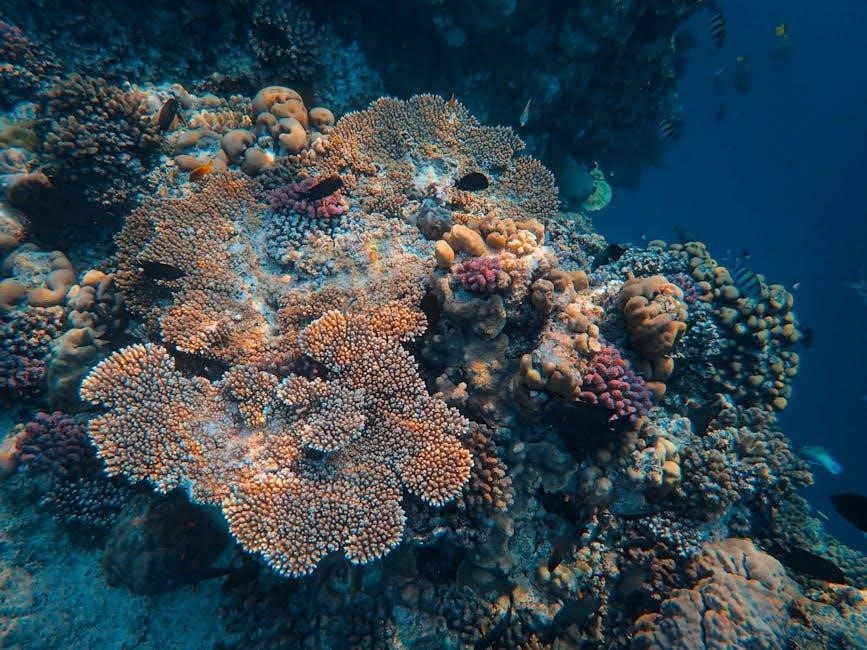
Accurate identification aids conservation efforts and appreciation of these vital marine ecosystems‚ while resources like online photo databases assist enthusiasts in learning about diverse coral forms.
What is Coral?
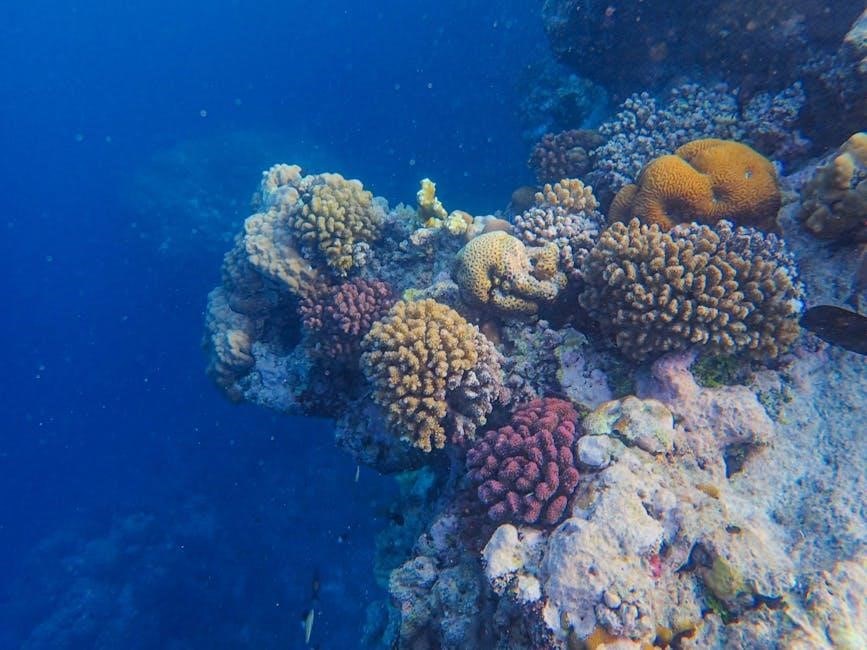
Corals are fascinating marine invertebrates belonging to the class Anthozoa within the phylum Cnidaria. They are characterized by their colonial nature‚ forming structures built from calcium carbonate skeletons. These skeletons are secreted by polyps – tiny‚ cylindrical animals – that live together in vast colonies.
There’s a remarkable diversity within the coral world‚ encompassing both hard and soft coral varieties. Hard corals‚ or scleractinians‚ are responsible for building the massive reef structures we associate with coral reefs. Soft corals‚ lacking a rigid skeleton‚ exhibit flexible‚ often branching forms.
Coral polyps have a symbiotic relationship with microscopic algae called zooxanthellae‚ residing within their tissues. This partnership is crucial‚ as the algae provide the coral with essential nutrients through photosynthesis‚ contributing to their vibrant colors and rapid growth. Understanding this fundamental biology is key to appreciating coral’s ecological role.
The Importance of Coral Reefs
Coral reefs are often dubbed the “rainforests of the sea” due to their extraordinary biodiversity. They support an estimated 25% of all marine life‚ providing food‚ shelter‚ and breeding grounds for countless species. This incredible ecosystem services extends far beyond the ocean itself.
Reefs protect coastlines from erosion by buffering wave action and storm surges‚ safeguarding coastal communities and infrastructure. They also contribute significantly to local economies through tourism‚ fisheries‚ and potential medicinal discoveries.
Furthermore‚ coral reefs play a vital role in the global carbon cycle‚ helping to regulate ocean chemistry. However‚ these invaluable ecosystems are facing unprecedented threats‚ including climate change‚ pollution‚ and destructive fishing practices. Conservation efforts are therefore paramount to ensure their survival for future generations.
Coral Classification: A Broad Overview
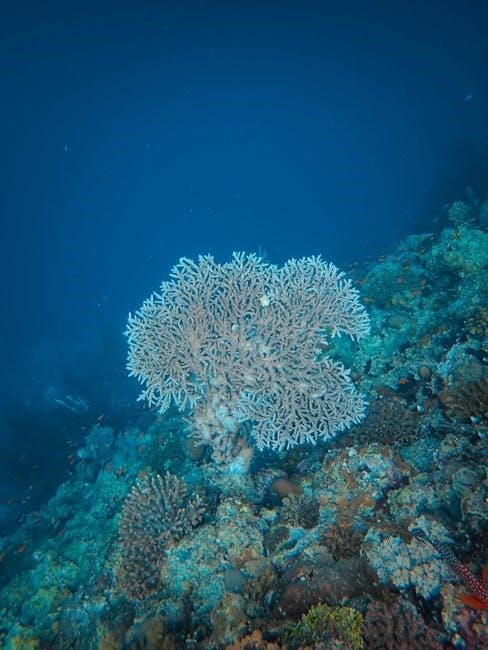
Corals are broadly categorized into hard‚ soft‚ and fire corals‚ distinguished by their skeletal structures and growth forms. Understanding these classifications is crucial for identification and ecological studies.
Hard Corals (Scleractinia)
Hard corals‚ scientifically known as Scleractinia‚ are characterized by their rigid calcium carbonate skeletons‚ which form the foundational structure of most coral reefs. These corals exhibit a diverse range of shapes and sizes‚ from branching forms like staghorn and elkhorn corals to massive‚ boulder-like structures.
The creation of these skeletons is a slow process‚ contributing to the long-term growth and complexity of reef ecosystems. Identifying hard corals often involves examining the skeletal structure‚ polyp size‚ and overall growth pattern. However‚ as noted‚ definitive species-level identification frequently necessitates microscopic analysis of the coral’s skeletal elements.
These corals are vital for providing habitat and shelter for a multitude of marine organisms‚ playing a critical role in maintaining biodiversity within reef environments. Their resilience and growth rates vary significantly between species‚ influencing their susceptibility to environmental stressors.
Soft Corals (Alcyonacea)
Soft corals‚ belonging to the order Alcyonacea‚ differ significantly from their hard coral counterparts‚ lacking a substantial calcium carbonate skeleton. Instead‚ they possess internal skeletons made of protein‚ giving them a flexible‚ often swaying appearance. This flexibility allows them to adapt to strong currents and wave action.
Common forms include sea fans‚ sea whips‚ and leather corals‚ displaying a wide array of vibrant colors and intricate structures. While visually distinct‚ identifying soft corals to the species level can still be challenging‚ relying on characteristics like polyp arrangement and colony morphology.
Despite their lack of a rigid skeleton‚ soft corals contribute significantly to reef ecosystems‚ providing habitat and filtering water. They are generally faster-growing than hard corals‚ but can be more vulnerable to certain environmental changes and physical damage.
Fire Corals (Milleporidae)
Fire corals‚ classified under the family Milleporidae‚ are often mistaken for true corals‚ but are actually hydrozoans – colonial animals more closely related to jellyfish. They derive their name from the painful sting delivered by their nematocysts‚ microscopic stinging cells embedded in their branching‚ crust-like colonies.
These corals exhibit a bright white or yellow coloration‚ often with contrasting dark markings‚ and form encrusting or branching structures on reefs. Despite their delicate appearance‚ fire corals possess a calcium carbonate skeleton‚ though it’s less dense than that of scleractinian corals.
Caution is paramount when observing fire corals‚ as contact can cause a burning sensation and localized skin irritation. They play a role in reef building‚ but their stinging nature limits their direct interaction with many reef inhabitants.
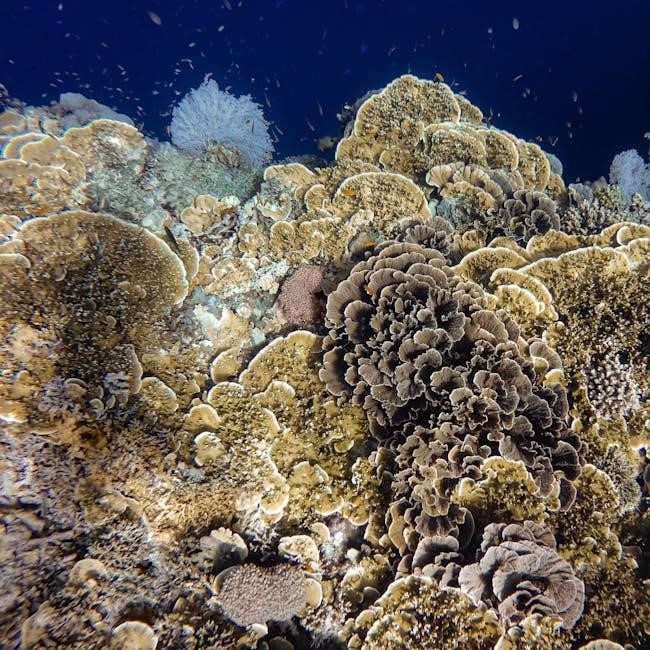
Identifying Coral: Challenges and Approaches
Coral identification is complex‚ often requiring microscopic skeletal examination for species-level accuracy. Visual assessment can be misleading‚ with similar appearances masking diverse types.
Genus-Level Identification
Focusing on genus-level identification provides a practical approach to coral recognition‚ acknowledging the difficulties in pinpointing exact species without specialized equipment. This method relies on observable characteristics like growth form‚ polyp size‚ and overall colony structure.
For example‚ identifying a coral as Acropora indicates it belongs to the staghorn coral family‚ characterized by branching structures‚ even if the specific species (like A. cervicornis or A. palmata) remains uncertain. Similarly‚ recognizing Montipora signifies a plating or encrusting coral with small polyps.
While less precise than species identification‚ genus-level recognition is valuable for divers‚ snorkelers‚ and marine enthusiasts. It allows for a broader understanding of coral diversity and ecological roles‚ facilitating informed observation and conservation efforts. It’s a realistic and honest assessment given the limitations of field identification.
Microscopic Examination for Species Identification
Accurate coral species identification frequently necessitates microscopic examination of the coral skeleton‚ a process revealing subtle yet crucial differences invisible to the naked eye. This involves analyzing skeletal structures like septa‚ trabeculae‚ and growth patterns.
These microscopic features are unique to each species‚ allowing experts to differentiate between corals that appear remarkably similar externally. For instance‚ distinguishing between closely related Montipora species often relies on detailed analysis of their skeletal elements.
This technique is particularly important for research and conservation‚ providing definitive data for biodiversity assessments and monitoring coral reef health. However‚ it requires specialized equipment and expertise‚ making it impractical for routine field identification. It confirms what visual cues suggest‚ offering a scientifically sound classification;
Visual Identification Limitations
Relying solely on visual identification for corals presents significant limitations‚ as morphological similarities can exist between distinct species. What appears as a single coral type may‚ in reality‚ comprise several different species‚ and conversely‚ variations can occur within the same species.
Factors like coral growth stage‚ environmental conditions‚ and physical damage can further complicate visual assessment‚ altering a coral’s appearance and hindering accurate identification. Color variations‚ while helpful‚ are not always reliable indicators.
Therefore‚ visual identification is best used for broad categorization‚ typically to the genus level. It serves as a valuable starting point‚ but should be supplemented with other methods‚ like skeletal analysis‚ for definitive species-level confirmation. Experienced observers can improve accuracy‚ but ambiguity remains a common challenge.
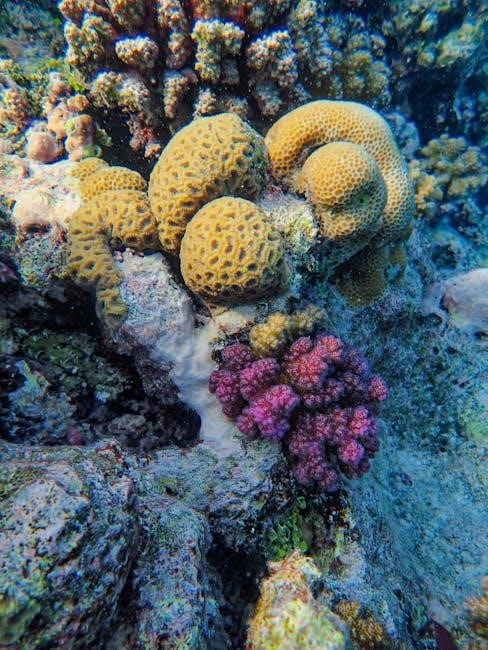
Common Coral Genera & Families
Exploring diverse coral genera like Acropora‚ Montipora‚ Porites‚ and Diploria reveals the stunning variety within reef ecosystems. These represent frequently encountered groups.
Acropora Corals
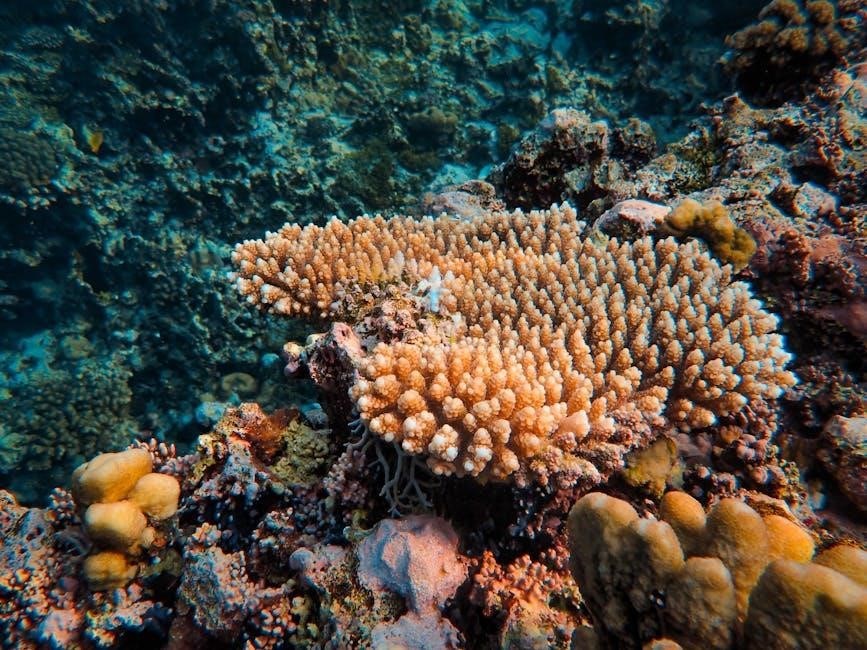
Acropora corals are renowned for their fast growth rates and branching structures‚ playing a crucial role in reef building. They are particularly susceptible to environmental changes‚ making them important indicators of reef health. Identifying Acropora species can be challenging‚ often requiring detailed examination of coralite features.
Two prominent species are Acropora cervicornis (Staghorn Coral) and Acropora palmata (Elkhorn Coral). Staghorn coral exhibits a branching‚ antler-like appearance‚ while Elkhorn coral forms broad‚ flattened branches resembling elk antlers. Both species have experienced significant declines due to disease and climate change‚ leading to their listing as threatened under the Endangered Species Act.
These corals provide vital habitat for numerous marine organisms‚ and their loss has cascading effects throughout the reef ecosystem. Conservation efforts focus on coral restoration and mitigating threats like pollution and rising ocean temperatures to ensure the survival of these iconic reef builders.
Acropora Cervicornis (Staghorn Coral)
Acropora cervicornis‚ commonly known as Staghorn Coral‚ is a branching coral species historically dominant in Caribbean coral reefs. Its name derives from its resemblance to deer antlers‚ exhibiting cylindrical branches growing upwards and outwards. This fast-growing coral once formed dense thickets‚ providing crucial habitat for diverse marine life.
However‚ Staghorn Coral has suffered catastrophic declines since the 1980s due to White Band Disease and other stressors. Listed as critically endangered‚ its populations have been drastically reduced‚ impacting reef structure and biodiversity. Restoration efforts‚ including coral gardening and outplanting‚ are underway to aid its recovery.
Identification relies on its branching morphology and small coralite size. Observing its growth pattern and overall structure is key‚ though microscopic examination confirms species identification. Protecting remaining populations and mitigating disease outbreaks are vital for the future of this iconic Caribbean coral.
Acropora Palmata (Elkhorn Coral)
Acropora palmata‚ or Elkhorn Coral‚ is another critically endangered branching coral species found in Caribbean reefs. Named for its resemblance to elk antlers‚ it forms large‚ sprawling colonies with broad‚ flattened branches; Historically‚ Elkhorn Coral played a vital role in reef structure‚ providing habitat and protecting shorelines from erosion.
Like Staghorn Coral‚ Elkhorn has experienced severe declines due to White Band Disease‚ hurricanes‚ and climate change. Its populations have plummeted‚ leading to significant reef degradation. Restoration projects‚ including fragmentation and transplantation‚ aim to rebuild Elkhorn populations and restore reef functionality.
Identification is based on its massive‚ palm-like branching structure and relatively large coralites. Observing the colony’s overall shape and branch thickness aids identification. Conservation efforts are crucial to ensure the survival of this ecologically important coral species and the health of Caribbean reefs.
Montipora Corals
Montipora corals represent a diverse genus within the Acroporidae family‚ highly sought after in the marine aquarium trade. They exhibit a wide range of growth forms‚ from branching and plating to encrusting and massive structures‚ making them visually striking additions to reef ecosystems. Often‚ identifying Montipora to the species level is challenging‚ even with microscopic examination‚ due to their variability.
These corals are relatively fast-growing and adaptable‚ contributing significantly to reef building. They are found in various Indo-Pacific and Caribbean reef environments. Montipora corals are generally hardy‚ but susceptible to changes in water quality and temperature.
Their small‚ tightly packed polyps and intricate skeletal structures distinguish them. Obtaining rare Montipora types often depends on limited availability from coral shipments‚ highlighting their desirability among aquarists and researchers alike.
Montipora Digitata (Finger Coral)
Montipora digitata‚ commonly known as Finger Coral‚ is a popular and readily available species within the Montipora genus. It’s characterized by its distinct‚ finger-like branching growth pattern‚ creating an aesthetically pleasing appearance in both natural reef environments and aquariums.
This coral exhibits a relatively fast growth rate and is considered moderately easy to care for‚ making it a good choice for both beginner and experienced reef keepers. M. digitata displays a variety of colors‚ ranging from brown and green to pink and purple‚ depending on lighting and water conditions.
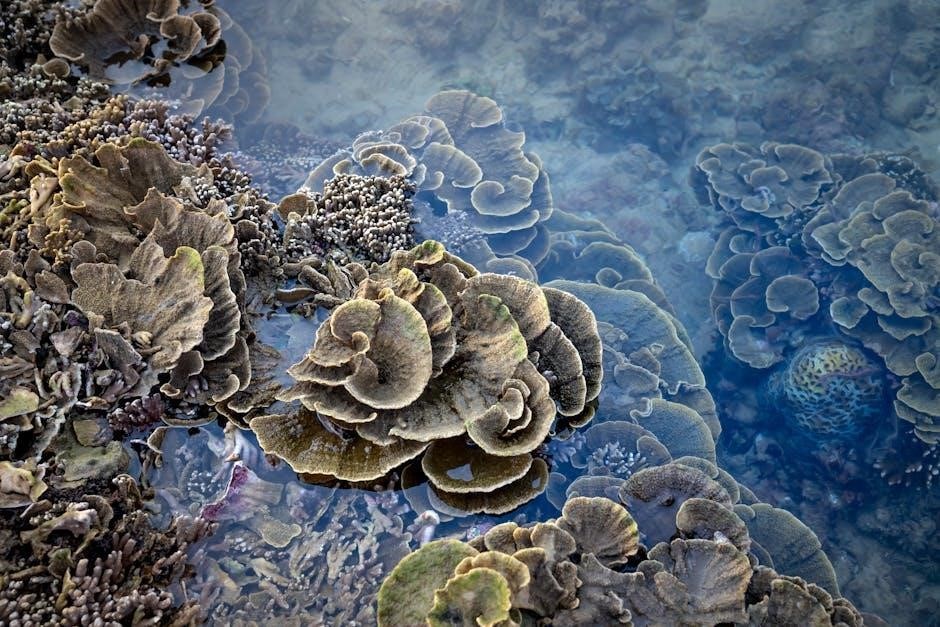
It thrives in areas with moderate to high water flow and bright‚ indirect light. Like other Montipora species‚ precise species identification can be difficult‚ but the finger-like morphology is a key identifying feature. It contributes to reef structure and provides habitat for various marine organisms.
Montipora Capricornis (Birdsnest Coral)
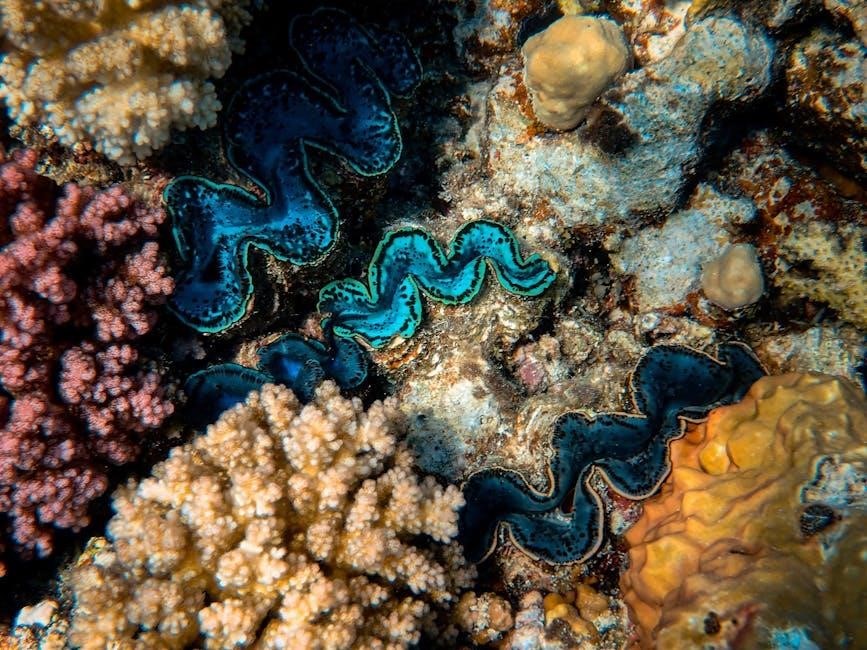
Montipora capricornis‚ often called Birdsnest Coral‚ is a highly sought-after species known for its intricate‚ branching structure resembling a bird’s nest. This coral is prized for its rapid growth and vibrant coloration‚ which can range from pale green to deep purple‚ often with contrasting polyp coloration.
Birdsnest Coral is considered relatively easy to maintain in a reef aquarium‚ but requires stable water parameters and moderate to high water flow. It’s a hardy coral‚ but susceptible to rapid tissue necrosis (RTN) if stressed. Proper acclimation is crucial;
Like other Montipora‚ definitive species identification can be challenging without microscopic examination. However‚ the dense‚ interwoven branching pattern distinguishes it from other Montipora varieties. It’s a valuable addition to any reef system‚ contributing to biodiversity and providing shelter for small invertebrates.
Porites Corals
Porites corals are a diverse genus of stony corals‚ renowned for their robust skeletons and varied growth forms. Commonly known as mustard hill corals or cluster corals‚ they exhibit a range of morphologies‚ from massive‚ boulder-like structures to branching and encrusting formations.
These corals are exceptionally hardy and adaptable‚ making them popular choices for both reef aquariums and natural reef restoration projects. Porites corals demonstrate slow but steady growth‚ contributing significantly to reef framework stability over time.
Identification to the species level within the Porites genus can be difficult‚ often requiring detailed skeletal analysis. However‚ general form and coloration provide clues. They are generally found in a variety of reef habitats‚ showcasing resilience to changing environmental conditions.
Porites Astreoides (Mustard Hill Coral)
Porites astreoides‚ commonly called Mustard Hill Coral‚ is a widespread and resilient stony coral found throughout the Caribbean and Indo-Pacific regions. It’s recognized by its generally rounded‚ boulder-like shape‚ often resembling a small hill – hence the name.
Coloration varies considerably‚ ranging from pale yellow and brown to more vibrant shades of green and orange‚ often with axial corallites that give it a textured appearance. This coral exhibits relatively slow growth but contributes significantly to reef structure.
Mustard Hill Coral is known for its tolerance to varying environmental conditions‚ including fluctuations in temperature and salinity. It’s a common sight in shallow reef environments and is frequently utilized in reef restoration initiatives due to its hardiness and growth potential.
Porites Porites (Cluster Coral)
Porites porites‚ known as Cluster Coral‚ forms massive‚ rounded colonies that often grow in distinct groupings or clusters‚ giving rise to its common name. This hardy stony coral is prevalent in the Indo-Pacific region‚ but can also be found in the Caribbean.
Its coloration is typically a muted brown or grey‚ though variations can occur depending on environmental factors and symbiotic algae presence. The surface is characterized by small‚ closely packed corallites‚ creating a bumpy texture.
Cluster Coral is a slow-growing‚ long-lived species‚ contributing significantly to the structural complexity of coral reefs. It demonstrates a remarkable ability to withstand environmental stressors‚ making it a relatively resilient species‚ though still vulnerable to bleaching events and ocean acidification.
Brain Corals (Diploria & Platygyra)
Brain corals‚ encompassing the genera Diploria and Platygyra‚ are easily recognized by their distinctive convoluted surfaces resembling a human brain. These massive stony corals are foundational reef builders‚ providing habitat and structural complexity.
Diploria species‚ like Grooved Brain Coral‚ exhibit deep‚ radiating grooves and valleys‚ while Platygyra‚ such as Open Brain Coral‚ display more open‚ circular meanders. Coloration varies widely‚ ranging from muted browns and greens to vibrant yellows and oranges.
These corals grow slowly but can attain considerable size over decades or even centuries. They are relatively resilient but susceptible to coral bleaching and disease‚ highlighting the importance of reef conservation efforts. Identifying specific species within these genera can be challenging‚ often requiring detailed examination of corallite structures.
Diploria Labyrinthiformis (Grooved Brain Coral)
Diploria labyrinthiformis‚ commonly known as Grooved Brain Coral‚ is a prominent reef-building coral found throughout the Caribbean and Florida Keys. It’s characterized by large‚ rounded colonies featuring deep‚ meandering grooves and valleys that create a labyrinthine pattern across its surface.
Coloration is typically brownish-green‚ but can vary depending on environmental factors and symbiotic algae presence. These corals grow slowly‚ reaching sizes of up to several meters in diameter‚ and contribute significantly to reef structure and complexity.
Grooved Brain Coral prefers clear‚ shallow waters with moderate currents. It’s susceptible to bleaching events and disease‚ making it a key indicator species for reef health. Identifying features include the pronounced grooves and the relatively large‚ well-defined corallites lining the valleys.
Platygyra Daedalea (Open Brain Coral)
Platygyra daedalea‚ or Open Brain Coral‚ is a captivating species renowned for its distinctive‚ brain-like appearance. Found in the Indo-Pacific region‚ it forms massive‚ dome-shaped colonies with prominent‚ radiating valleys and ridges‚ creating an “open” brain structure unlike its close relatives.
Coloration varies widely‚ ranging from muted browns and greens to vibrant yellows‚ oranges‚ and purples. This diversity is often linked to the coral’s symbiotic algae and light exposure. Open Brain Coral thrives in clear‚ shallow reef environments with moderate water flow.
It’s a relatively slow-growing coral‚ contributing to reef framework over decades. Identifying features include the wide‚ open valleys and the distinct‚ fleshy appearance of the coral tissue. Like other corals‚ it’s vulnerable to bleaching and requires stable reef conditions to flourish.
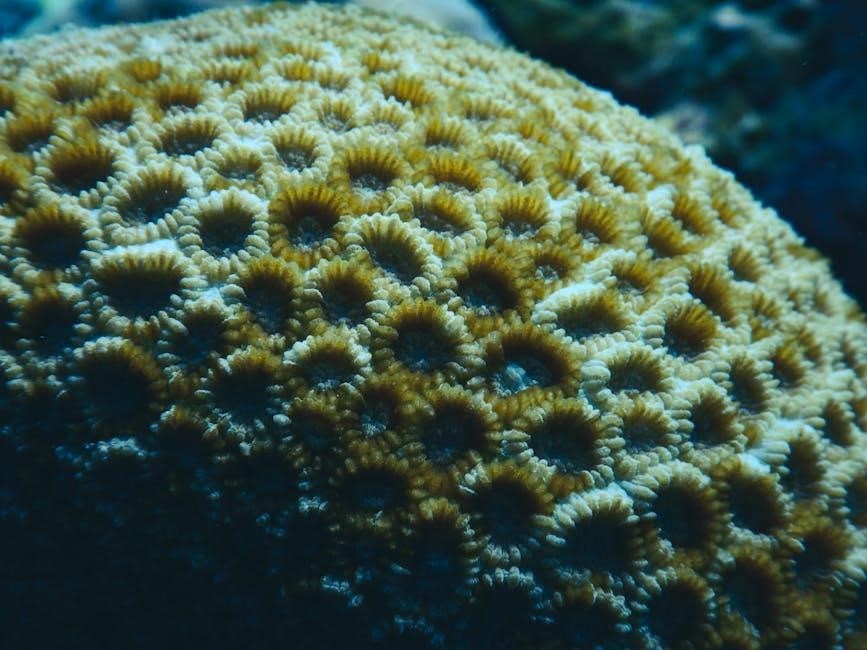
Caribbean Coral Identification
Identifying Caribbean corals requires focused observation‚ utilizing characteristics like growth form and coloration. Resources and documentation are crucial for scuba divers and enthusiasts alike.
Dominant Caribbean Coral Species
The Caribbean boasts a remarkable diversity of coral species‚ though a few consistently dominate reef ecosystems. Among the most prevalent are members of the Acropora genus‚ including Staghorn (Acropora cervicornis) and Elkhorn (Acropora palmata) corals‚ both critically endangered but historically foundational reef builders.
Various Porites species‚ like Mustard Hill Coral (Porites astreoides)‚ are also widespread‚ exhibiting resilience and contributing significantly to reef structure. Brain corals‚ encompassing genera Diploria and Platygyra‚ are visually striking and ecologically important. Soft corals‚ while less structurally dominant‚ add to the biodiversity and complexity of Caribbean reefs.
Identifying these key species is vital for monitoring reef health and implementing effective conservation strategies. Understanding their roles within the ecosystem allows for targeted protection and restoration efforts‚ ensuring the long-term survival of these invaluable marine habitats.
Identifying Caribbean Hard Corals
Identifying Caribbean hard corals relies on observing growth forms and skeletal characteristics. Branching corals like Acropora are recognizable by their antler-like or table-like structures‚ though distinguishing species requires careful examination of branch angles and axial corallite arrangements.
Massive corals‚ such as Porites‚ form boulder-like colonies‚ with identification often based on corallite size and spacing. Brain corals (Diploria & Platygyra) exhibit convoluted surfaces‚ differing in groove patterns and central chimney structures.
Plate corals display flattened‚ layered growth‚ while encrusting forms spread across surfaces. Color can be helpful‚ but is variable. Remember‚ definitive species-level identification frequently necessitates microscopic analysis of skeletal features‚ making genus-level recognition a practical approach for many observers.
Identifying Caribbean Soft Corals
Caribbean soft corals‚ lacking a rigid calcium carbonate skeleton‚ present different identification challenges than their hard coral counterparts. These corals are characterized by flexible‚ often colorful‚ colonies resembling plants or trees.
Gorgonians (sea fans and sea whips) are easily recognized by their branching‚ fan-like or whip-like structures. Identifying to genus often involves noting the branching pattern and the presence or absence of sclerites (tiny skeletal elements).
Sea plumes exhibit feather-like polyps‚ while sea pens resemble bird quills. Color variations are common‚ but can be unreliable for identification. Due to their lack of dense skeletons‚ soft corals are more vulnerable to damage and require careful observation in their natural habitat.
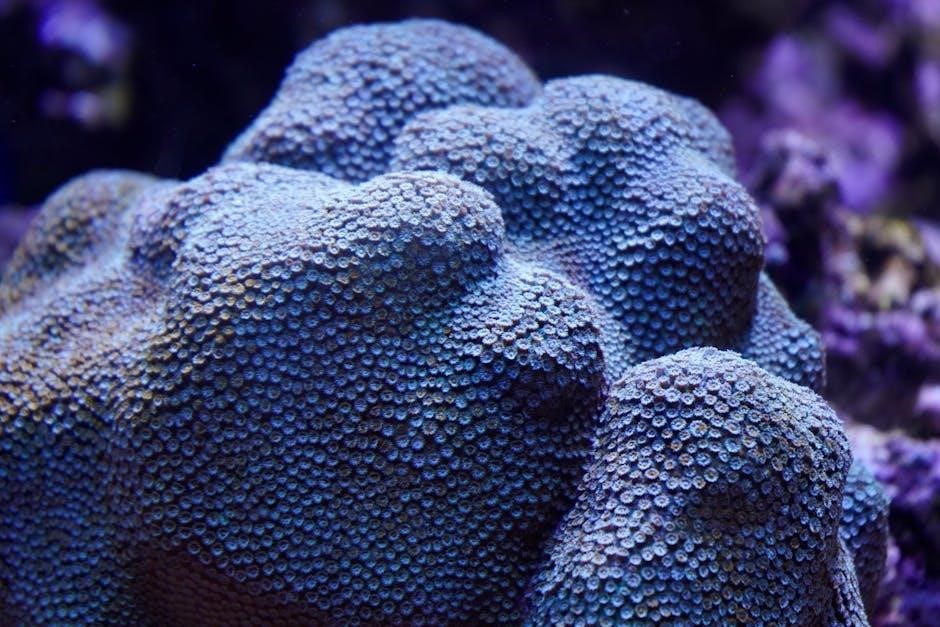
Coral Reef Health & Conservation
Coral reefs face escalating threats‚ including bleaching‚ pollution‚ and climate change. Sustainable practices and conservation efforts are crucial for preserving these invaluable ecosystems for future generations.
Threats to Coral Reefs
Coral reefs are among the most vulnerable ecosystems on Earth‚ facing a multitude of interconnected threats. Climate change is arguably the most significant‚ driving ocean warming and acidification‚ which lead to coral bleaching events. Increased sea temperatures stress corals‚ causing them to expel symbiotic algae‚ resulting in a loss of color and potential mortality.
Pollution from land-based sources‚ such as agricultural runoff and sewage‚ introduces excess nutrients and contaminants into reef waters. This can fuel algal blooms that smother corals and reduce water quality. Destructive fishing practices‚ like blast fishing and bottom trawling‚ physically damage reef structures‚ hindering their ability to recover.
Ocean acidification‚ caused by the absorption of excess carbon dioxide from the atmosphere‚ reduces the availability of carbonate ions‚ essential for coral skeleton formation. Disease outbreaks‚ often exacerbated by environmental stressors‚ can also decimate coral populations. Finally‚ physical damage from storms and human activities further contributes to reef decline.
Coral Bleaching Explained
Coral bleaching is a stress response where corals expel the symbiotic algae (zooxanthellae) living in their tissues‚ causing them to turn white. These algae provide corals with essential nutrients and their vibrant colors. While corals can survive bleaching events‚ they become weakened and more susceptible to disease and mortality.
The primary driver of coral bleaching is elevated sea temperatures‚ even increases of just 1-2°C above normal can trigger this response. Other stressors‚ such as high light intensity‚ low salinity‚ and pollution‚ can also contribute. Bleached corals aren’t dead‚ but are under significant stress.
If conditions improve‚ corals can regain their algae and recover. However‚ prolonged or severe bleaching events can lead to widespread coral death and significant declines in reef health. Understanding the causes and consequences of bleaching is crucial for effective conservation efforts.
Sustainable Practices for Coral Reef Preservation
Protecting coral reefs requires a multifaceted approach focused on reducing stressors and promoting resilience. Sustainable tourism practices‚ such as responsible diving and snorkeling‚ minimize physical damage and pollution. Supporting local economies that prioritize reef conservation is also vital.
Reducing carbon emissions is paramount‚ as it addresses the root cause of rising sea temperatures and ocean acidification. Implementing marine protected areas (MPAs) restricts harmful activities like overfishing and destructive fishing practices‚ allowing reefs to recover.
Active restoration efforts‚ including coral gardening and transplantation‚ can help rebuild damaged reefs. Furthermore‚ reducing land-based pollution – from agricultural runoff and sewage – improves water quality and coral health. Collective action is essential for the long-term survival of these invaluable ecosystems.