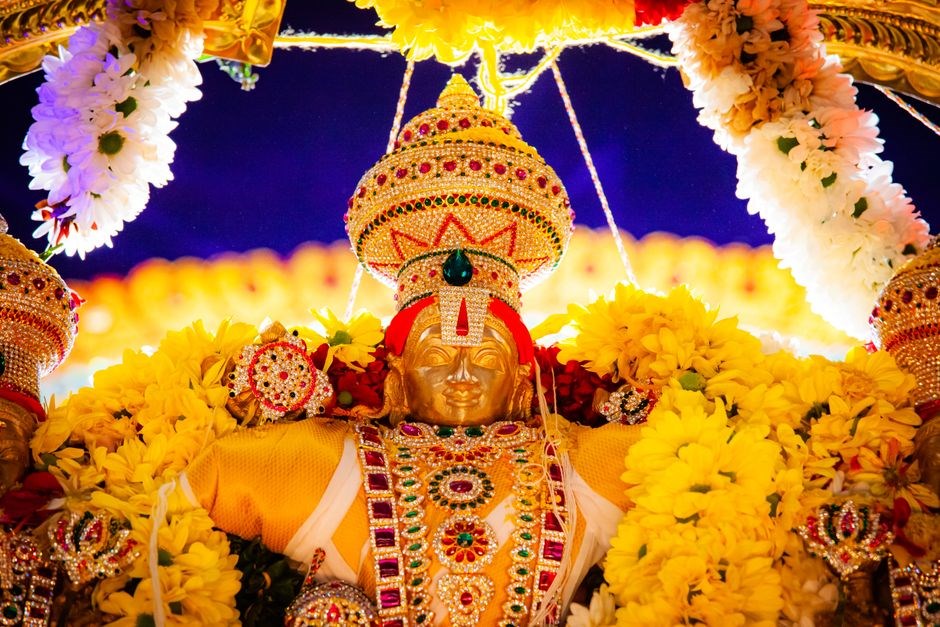
nitya pooja vidhanam telugu pdf
- Published
- in PDF
Discover the essence of Nitya Pooja Vidhanam through a concise guide that outlines its purpose, cultural roots, and practical benefits. This overview offers a clear snapshot for seekers wishing to understand the daily worship routine and its spiritual impact. It invites devotion and reflection.
1.1 Definition and Significance
In the context of daily worship, Nitya Pooja Vidhanam refers to a structured, time‑honored ritual performed each day to honor the divine presence within the household. It is a disciplined practice that blends prayer, meditation, and symbolic offerings, creating a rhythm of devotion that nurtures spiritual growth. The significance of this daily rite lies in its ability to anchor the practitioner’s life to higher values, fostering mindfulness, gratitude, and a sense of continuity with ancestral traditions. By engaging in Nitya Pooja Vidhanam, devotees cultivate a disciplined mind, reduce stress, and cultivate a deeper connection to their faith. The ritual’s repetitive nature reinforces positive habits, encourages ethical conduct, and serves as a reminder that every moment can be an opportunity for reverence. Moreover, the practice strengthens communal bonds when performed in family or temple settings, reinforcing shared beliefs and collective responsibility. In essence, Nitya Pooja Vidhanam is not merely a ceremonial act; it is a daily commitment that transforms ordinary living into a sacred journey, aligning the devotee’s heart, mind, and actions with divine purpose and cosmic harmony. Historically, this practice has been documented in ancient scriptures, where sages prescribed its steps to ensure spiritual purification and cosmic balance; The ritual’s significance extends beyond individual devotion; it is a cultural touchstone that preserves linguistic heritage, as hymns and mantras are recited in the mother tongue, reinforcing identity and continuity across generations. Thus, Nitya Pooja Vidhanam serves as a bridge between past and present, inviting each practitioner to partake in a dialogue of faith.
1.2 Historical Context

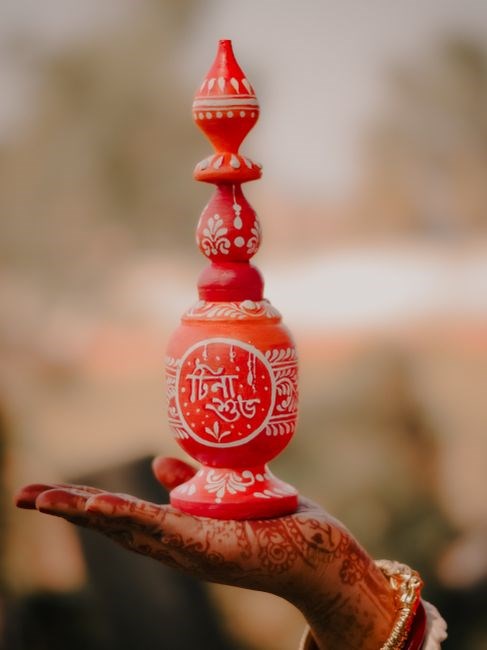
Tracing its origins to Vedic hymns, Nitya Pooja Vidhanam evolved as a sanctification practice for households across the Indian subcontinent. Early references appear in the Puranic literature, where sages describe the ritual as a means to maintain cosmic equilibrium by offering gratitude to the divine forces governing nature. Over centuries, the rite was adapted to regional languages, with Telugu communities incorporating local deities and linguistic nuances. The scriptural treatises of the medieval period, such as the works of Sri Venkateswara Swamy, codified the sequence of mantras, the arrangement of offerings, and the precise timing aligned with sunrise and sunset. The ritual faced challenges as social reforms questioned traditional practices; yet, it persisted as a cultural anchor, preserving identity amid change. In the modern era, scholarly compilations have documented the Vidhanam in printed manuals and digital PDFs, making it accessible to a global diaspora. Contemporary practitioners continue to honor the ritual, blending ancient wisdom with contemporary lifestyles, thereby ensuring its relevance for future generations. Additionally, the ritual has been studied in comparative religion courses, highlighting its role in fostering ethical values, community cohesion. The preservation of these practices in Telugu PDF formats, has enabled scholars to analyze linguistic patterns, perform textual criticism, and disseminate knowledge beyond regional boundaries. Thus, the historical trajectory of Nitya Pooja Vidhanam reflects a dynamic interplay between tradition, adaptation, and resilience. Its enduring presence underscores the universal human quest for meaning, illustrating how devotion can serve as a bridge between the mundane and the transcendent. It invites reflection!
Components of the Ritual
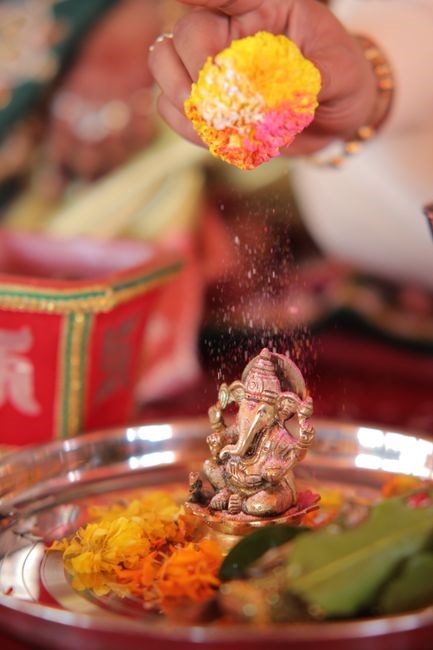
The ritual comprises three core elements: prayers, offerings, and timing. Each prayer invokes divine grace, offerings nourish the deity, and timing aligns with celestial cycles. Together they create a harmonious cycle of devotion, sustaining spiritual balance daily!!
2.1 Prayers and Mantras
In the Nitya Pooja Vidhanam, prayers and mantras form the spiritual backbone that connects devotees to the divine presence. The daily liturgy begins with a gentle invocation, often a simple “Om Namo Bhagavate” that sets a tone of reverence and gratitude. Following this, a series of carefully chosen hymns, such as the “Gayatri Mantra” and the “Maha Mrityunjaya,” are recited to invoke clarity, protection, and renewal. Each mantra is chanted with precise intonation, breathing rhythm, and mindful concentration, ensuring that the vibrations resonate within the heart and mind. The practice of chanting these sacred verses is not merely a ritualistic formality; it is an act of devotion that invites the deity’s presence into the household. The rhythmic cadence of the mantras creates a meditative space, allowing practitioners to transcend the mundane and connect with higher consciousness. The sequence of prayers is structured to progress from gratitude for the day’s blessings, to a supplication for health and prosperity, and finally to a blessing of peace and harmony. Each segment is designed to align the devotee’s intentions with universal energies, fostering a sense of unity and purpose. The repetition of these mantras over time strengthens the spiritual discipline, reinforcing faith and cultivating inner resilience. By engaging in this daily practice, devotees not only honor the divine but also nurture a disciplined mind, a compassionate heart, and a harmonious household.
2.2 Offerings and Materials
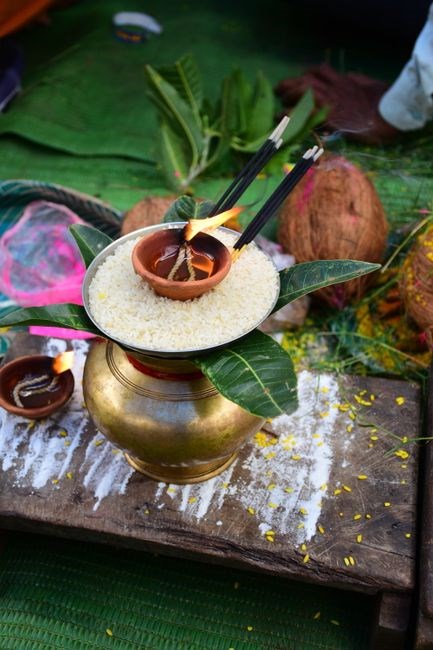
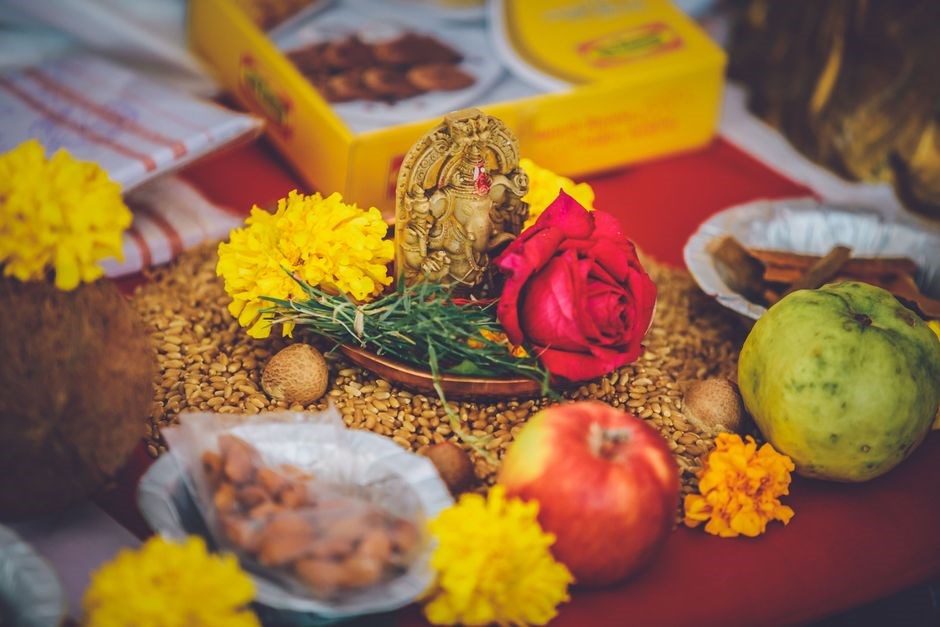
In the Nitya Pooja Vidhanam, the selection of offerings reflects reverence for the divine and the household’s spiritual well‑being. Each element—fruits, flowers, incense, lamps, and water—is chosen for its symbolic purity and its ability to convey devotion. Fruits such as bananas, apples, and mangoes are offered first, representing the sweetness of life and the desire for nourishment. Fresh flowers, usually marigolds or jasmine, are arranged in a small altar, their fragrance invoking a serene atmosphere and reminding devotees of the transient beauty of creation. Incense sticks, typically sandalwood or camphor, are lit to purify the surroundings and to carry prayers upward, symbolizing the ascent of the soul toward higher consciousness. A small lamp, often a clay or brass diya, is lit with ghee or oil, its steady flame signifying the presence of the divine light within the heart. Water, poured into a brass or clay vessel, is offered as a cleansing element, signifying the removal of impurities and the invitation of divine blessings. In addition to the primary offerings, many families incorporate a bowl of butter (ghee) as a symbol of purity and nourishment. A handful of sesame seeds, known for their grounding properties, is sprinkled over the altar to invite stability and prosperity. Some households also prepare a sweet mixture of jaggery and milk, called “kheer,” which is offered as a gesture of gratitude for the sustenance received. The aroma of sandalwood paste, applied to the forehead and hands, is believed to calm the mind and create a conducive environment for prayer. Additionally, a small pot of fresh water is placed beside the lamp, and the water is gently stirred while chanting the “Maha Mantra” to purify the surroundings. These supplementary materials not only enhance the sensory experience of the pooja but also reinforce the devotee’s intention to live a life of purity, humility, and devotion.
2.3 Timing and Seasonality
In Nitya Pooja Vidhanam, timing is pivotal, aligning daily worship with sunrise and sunset. Typically, the pooja begins at dawn, when the light bathes the household, symbolizing new beginnings. The ritual continues through the day pausing for midday prayers, and culminates at dusk, when the setting sun reflects the inner journey toward enlightenment. Seasonal variations enrich the practice: during spring, fresh flowers and green leaves are incorporated to celebrate renewal; in summer, cooling rituals such as offering chilled water and sandalwood paste help maintain spiritual balance. Each season’s unique elements reinforce the devotee’s connection to the cosmos, reminding them that the divine presence permeates all times of the year. Observing these cycles not only honors tradition but also cultivates mindfulness, as practitioners attune themselves to the subtle shifts in light, temperature, and scent that accompany each day’s passage. During auspicious days such as Sankranti, Ugadi, and Diwali, devotees often enhance the pooja by adding special offerings like kumkum, sandalwood paste, and a garland of fresh mango leaves, thereby aligning the ritual with the celestial events that mark the transition of seasons. Moreover, the pooja timing aligns with moon phases; during the lunar cycle in the sky, during waxing, it is performed early morning to harness rising energy, while waning calls for a late‑afternoon ceremony to absorb cooling influence of the setting sun.
Step-by-Step Procedure
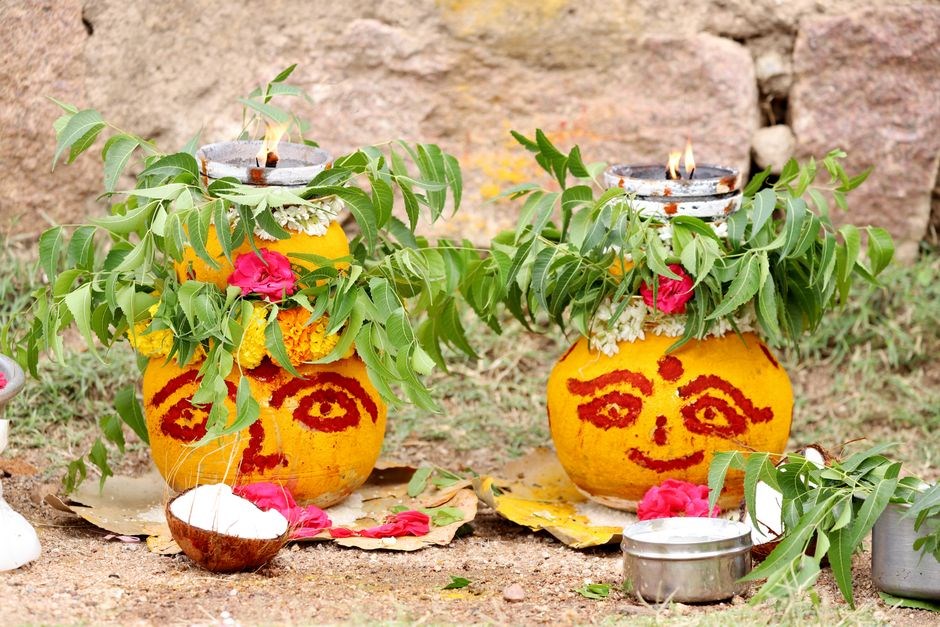
Begin by cleansing the altar, then light the lamp, offer flowers, recite the main mantra, present water and fruit, perform the fire offering, conclude with the final blessing. Each step follows a strict sequence ensuring harmony and devotion. The ritual ends with a prayer sealing the day’s devotion.
3.1 Preparatory Steps
Before the Nitya Pooja begins, the devotee must first prepare the sacred space. This includes cleaning the altar area, removing any clutter, and ensuring that the surroundings are calm and free from distractions. The altar is then polished with a cloth, and a brass lamp is placed at its center. Incense sticks are lit to fill the room with fragrance, and fresh flowers are arranged in a neat bouquet. A bowl of water is set beside the lamp, and a plate of fruit—typically banana, apple, and mango—is placed on the altar. A vessel of ghee is warmed slightly, as it will be used during the fire offering. The devotee then offers a brief personal prayer, acknowledging the divine presence and setting a focused mindset for the rituals ahead. This preparatory phase is crucial, as it establishes a respectful and serene environment that supports the spiritual flow of the pooja. By attending to these details, the devotee ensures that every element of the ritual is ready, allowing the main sequence to proceed smoothly and with reverence.
The devotee arranges a tray of sweets, to be offered in the ceremony. A pot of butter is kept ready, and a cloth is laid over the altar to symbolize purity. Each item is placed with care, reflecting devotion and respect for the divine presence.
Preparations are performed. in faith.
3.2 Main Pooja Sequence
The main pooja unfolds in a series of deliberate steps, each designed to invoke divine grace. First, the devotee lights the lamp and offers a brief invocation, calling upon the deity’s presence. Next, a sequence of mantras is recited, each syllable resonating with sacred vibration. The offering of food—rice, curd, and sweets—follows, placed before the altar with reverence. A small bowl of water is then poured over the offerings, symbolizing purification. The devotee proceeds to perform the fire ritual, where a small amount of ghee is poured into the sacred fire, accompanied by the chanting of hymns. After the fire, the devotee offers a handful of incense, letting the aroma rise as a tribute. Finally, the pooja concludes with the distribution of prasadam, the sanctified food, to all present, completing the cycle of devotion and gratitude. Each step is performed with mindful attention, ensuring that the ritual remains pure and effective.
The devotee then offers a small bowl of ghee to the fire, chanting a specific mantra that invokes the deity’s blessings. After the fire, a small cup of water is sprinkled over the offerings, symbolizing purification. The devotee then distributes the sanctified food to all present, ensuring that everyone receives the blessings. Finally, the devotee thanks the deity, closes the ceremony, and reflects on the spiritual benefits gained from this daily practice.
The sequence is performed with reverence, ensuring divine presence is honored devotee’s faith strengthened.
3.3 Concluding Rituals
After the main sequence, the devotee performs a series of concluding rituals that seal the day’s worship. First, a small bowl of water is offered to the deity, symbolizing purification and gratitude. The devotee then recites a closing mantra, asking for protection and blessings for the household. Next, the sanctified food (prasadam) is distributed among family members, ensuring that the divine grace is shared. Following the distribution, a final offering of incense is made, and the flame is gently extinguished with a cloth, signifying the end of the ceremony. The devotee bows deeply, expressing thanks for the deity’s presence and guidance. Finally, a small portion of the sanctified food is placed on the altar as a reminder of the ongoing devotion; The entire process is performed with mindful silence, allowing the devotee to reflect on the day’s spiritual gains and to carry the sense of divine presence into daily life. This concluding ritual not only completes the pooja but also reinforces the devotee’s connection to the divine, ensuring that the blessings received are carried forward with reverence and gratitude. The devotee may also offer a small token of gratitude, such as a flower or a piece of fruit, placing it on the altar as a symbol of humility. The final act is to close the worship space by turning off any remaining lamps, ensuring that the sanctity of the space is respected. The devotee then takes a moment of silence, focusing on the breath, and visualizes the divine presence surrounding them. This moment of contemplation helps to internalize the blessings and to prepare the mind for the rest of the day. The concluding rituals are essential for grounding the spiritual practice, allowing the devotee to transition smoothly from the sacred to the mundane, carrying the peace and blessings into everyday actions. In many traditions, the concluding rituals also include a brief prayer of thanks to the household members, acknowledging their support in maintaining the sacred space. The devotee may also recite a short hymn that summarizes the day’s devotion, reinforcing the themes of gratitude, humility, and devotion. By ending the pooja with these acts, the devotee ensures that the spiritual energy generated during the day is not dissipated but is instead directed toward positive action and mindful living.
Common Variations in Telugu Tradition
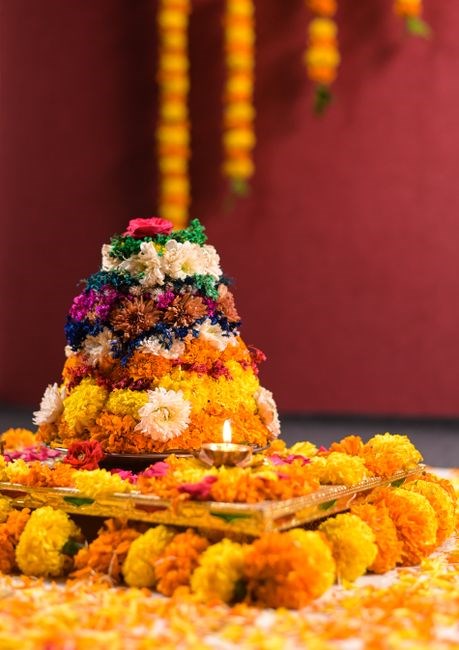
Telugu Nitya Pooja shows regional flair: some families use a silver pot, others use a clay one. Variants include different mantras, added songs, or a sequence of lamps. The essence stays, yet local customs add flavor, reflecting community identity. This practice unites families fostering devotion daily.
4.1 Regional Differences
In the Telugu-speaking belt, Nitya Pooja Vidhanam adapts to local customs, producing distinct regional flavors. In coastal Andhra, devotees often light a small brass lamp on a coconut husk, while inland Telangana families use a clay pot filled with rice and jaggery to invoke prosperity. The mantras recited can vary: the northern dialect emphasizes “Om Namo Narayanaya” with a slower rhythm, whereas the southern variant incorporates “Om Namo Shivaya” in a more melodic tone; Offerings also differ; some villages add a handful of black sesame seeds, a practice believed to appease the household deities, while others sprinkle dried mango leaves for fertility. Timing of the pooja shifts with geography: coastal households perform the ritual at sunrise to honor the sea’s bounty, whereas interior families observe it at sunset to align with agricultural cycles. Even the sequence of incense burning changes: the eastern region uses sandalwood sticks, while the western part prefers camphor. These subtle yet meaningful variations reflect the rich tapestry of Telugu spirituality, ensuring that each community’s daily worship remains rooted in its unique cultural identity. Additionally, the practice sometimes incorporates a brief meditation on the breath, allowing devotees to center their minds before the chants, and a final blessing of the household by the eldest member, symbolizing the continuity of faith across generations. It also fosters unity and shared devotion for families
Resources and PDF Availability
Find authentic Nitya Pooja Vidhanam PDFs on trusted spiritual sites, university archives, and local temples’ digital libraries. Verify authorship, cross‑check with traditional manuscripts, and use high‑resolution scans for clear guidance. and practice daily!!!
5.1 Finding Reliable PDFs
When searching for Nitya Pooja Vidhanam in Telugu, begin by consulting reputable academic portals, such as university digital libraries and recognized Sanskrit research institutes. Verify that the PDF cites original manuscripts or well‑known commentaries, and check for author credentials. Look for documents that include a clear title page, a table of contents, and page numbers, as these indicate a professionally compiled source. Cross‑reference the PDF’s content with printed versions or reputable online references to ensure consistency. Pay attention to the file’s creation date; recent updates often reflect the latest scholarly consensus. If the PDF is hosted on a temple’s official website, it is usually trustworthy, but still confirm that the text aligns with traditional liturgical norms. For additional assurance, compare the PDF with multiple sources: a temple‑issued booklet, a university thesis, and a respected online repository. When in doubt, consult a knowledgeable priest or scholar who can verify authenticity. Keep a backup of the PDF in a secure location and note the URL or date for reference. Use a PDF reader that preserves formatting, and consider printing a copy for reference during daily worship. If the PDF contains links, test them to ensure they point to valid resources. Keep track of any updates by subscribing to newsletters from religious organizations. When downloading, verify the file’s checksum if available, to guard against corruption or tampering. Document the source details in a research log for citation. This systematic approach helps maintain the integrity of your devotional practice while ensuring you have authoritative materials at hand.
5.2 Tips for Reading and Printing
To maximize clarity when reading a Telugu Nitya Pooja Vidhanam PDF, start by selecting a high‑resolution viewer that preserves font integrity. Enable zoom and adjust the background to a light, non‑glossy shade to reduce eye strain. Use the search function to locate specific mantras or rituals quickly, and bookmark frequently referenced sections for quick access. When printing, choose a printer that supports high‑dpi output; set the page size to A4 or Letter and use a 1‑inch margin to avoid clipping. Opt for a matte paper stock to prevent glare, and print in black‑and‑white to preserve legibility of Telugu script. If the PDF contains images or diagrams, ensure they are rendered at full resolution; otherwise, enlarge them before printing. For long documents, consider printing in two‑column format to save paper and keep the text compact. Save a copy of the printed page as a PDF for digital backup. When reading, read slowly and pause after each stanza to internalize the meaning. Use a small, soft lamp to illuminate the page without causing reflection. Keep a notebook nearby to jot down insights or questions that arise. Finally, schedule a review session after a week to reinforce memory and clarify any uncertainties. Following these steps will help you engage deeply with the text and maintain a consistent practice. Remember that consistency in daily practice nurtures a deeper connection with the divine, allowing the devotee to experience subtle shifts in consciousness that reinforce faith and inner peace.daily!